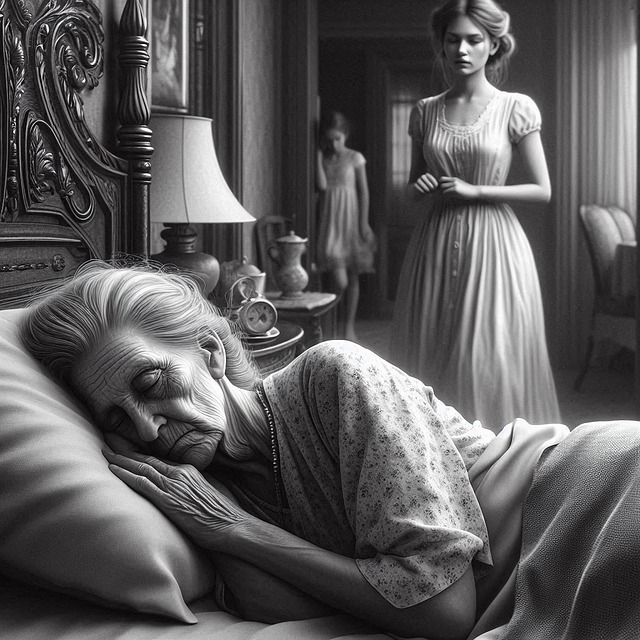
Elder abuse, especially sexual assault, remains a critical issue in Buffalo's nursing homes. The National Center on Elder Abuse reports high prevalence rates, with vulnerable residents at higher risk. Craniosacral Therapy (CST) offers a non-invasive approach to trauma recovery, including for sexual assault victims. Elderly sexual assault attorneys Buffalo play a vital role in legal processes and ensuring justice. Comprehensive strategies involve staff training, technology, integrated therapy, and collaboration with legal experts to protect elderly residents' safety and dignity.
Elder abuse is a growing concern within nursing homes, particularly in urban centers like Buffalo. The vulnerability of the elderly population makes them susceptible to various forms of mistreatment, including physical, emotional, and sexual assault. Given the sensitive nature of these issues, it’s crucial to explore innovative interventions that can protect and support residents. Craniosacral therapy, a non-invasive treatment approach, has emerged as a potential tool in addressing elder abuse. This article delves into the prevalence and impact of abuse in Buffalo nursing homes, highlighting the role elderly sexual assault attorneys play in advocating for victims. Additionally, we examine how craniosacral therapy can offer a unique perspective on detection and prevention strategies, providing valuable insights to care providers and legal professionals alike.
Understanding Elder Abuse: Recognizing Signs and Risks in Buffalo Nursing Homes
Elder abuse is a pervasive issue within nursing homes, often going unnoticed or underreported. In Buffalo, as in many urban areas, the prevalence of elder abuse cases highlights the need for heightened awareness and proactive measures. Recognizing signs and understanding risks are crucial steps in safeguarding our elderly population. According to the National Center on Elder Abuse, one in ten older adults experiences some form of abuse, with financial exploitation being the most common. This problem is exacerbated in institutional settings like nursing homes where residents may be more vulnerable due to physical limitations or cognitive impairments.
One specific and often overlooked aspect of elder abuse is sexual assault. Given the intimate nature of these crimes, victims—especially those with dementia or Alzheimer’s—may struggle to communicate the trauma. Elderly sexual assault attorneys in Buffalo emphasize the importance of recognizing non-verbal cues and unusual behaviors that could indicate abuse. For instance, sudden changes in behavior, increased aggression or passivity, or withdrawal from social interactions might suggest underlying issues. Moreover, financial discrepancies, unexplained withdrawals, or new restrictions on access to personal items can point to exploitation.
To mitigate these risks, nursing homes must implement robust safety protocols and staff training programs. This includes regular security checks, clear visitor policies, and educational sessions for both staff and residents’ families. By fostering an environment of transparency and trust, facilities can encourage open communication about sensitive matters. Collaborating with local law enforcement and legal experts, such as elderly sexual assault attorneys Buffalo, ensures that suspected cases are thoroughly investigated and appropriate legal actions taken. Proactive measures, coupled with a vigilant community, are essential to protect the well-being and dignity of our elderly residents.
The Role of Craniosacral Therapy: A Non-Invasive Approach to Elder Care
In the challenging landscape of elder care, where vulnerabilities are often heightened, Craniosacral Therapy (CST) emerges as a nuanced and non-invasive approach, particularly relevant in Buffalo’s nursing homes. This therapy, focused on the gentle manipulation of the craniosacral system, plays a crucial role in addressing physical and emotional trauma, including instances that might otherwise be overlooked—even hidden—such as elderly sexual assault. By prioritizing whole-body healing, CST offers a holistic perspective, recognizing the deep connection between physical well-being and mental state, especially in our aging population.
Buffalo, with its diverse nursing home landscape, presents unique challenges for care providers. The city’s residents, many of whom are older adults, deserve comprehensive support that caters to their complex needs. Craniosacral Therapy has gained recognition among healthcare professionals as a valuable tool for managing chronic pain, improving cognitive function, and addressing the subtle yet profound effects of trauma. In cases of suspected or confirmed elderly sexual assault, for instance, CST can aid in the non-destructive evaluation of physical responses, offering insights into the victim’s experiences without causing further distress. This is where expert intervention from qualified therapists and, where necessary, elderly sexual assault attorneys Buffalo becomes critical—to ensure justice and healing.
Practical implementation involves integrating CST into nursing home routines, with therapists working alongside medical staff to create tailored care plans. Training sessions for caregivers can enhance their ability to recognize and respond to potential issues, fostering an environment of proactive wellness. By combining traditional medical practices with alternative therapies like CST, Buffalo’s healthcare providers can offer more holistic, patient-centered care. This comprehensive approach not only improves quality of life but also strengthens the protective measures against abuse, ensuring that elderly residents receive the respect and dignity they deserve.
Legal Aspects: Elder Sexual Assault and the Need for Expert Attorneys in Buffalo

Elder abuse, particularly sexual assault, remains a pervasive and underreported issue within nursing homes across Buffalo and beyond. The legal implications of such heinous acts are profound, demanding meticulous attention to detail and an in-depth understanding of state laws governing elder care. Elder sexual assault attorneys Buffalo play a pivotal role in advocating for the rights of vulnerable residents, ensuring justice, and holding institutions accountable.
In New York State, including Buffalo, nursing homes are legally bound to maintain safe environments free from abuse and neglect. The discovery of sexual assault against elderly residents can trigger complex legal proceedings. Expert attorneys specialize in navigating these intricate matters, utilizing evidence-based strategies to build compelling cases. They collaborate closely with healthcare professionals, law enforcement, and social services to gather critical information and protect the privacy and dignity of victims.
Given the sensitive nature of these cases, it is imperative to engage elderly sexual assault attorneys Buffalo who possess extensive experience in handling such complex matters. Their expertise lies in interpreting medical records, recognizing patterns of abuse, and reconstructing events surrounding the incident. These legal professionals also play a vital role in guiding families through the process, offering support, and ensuring their loved ones receive the care and justice they deserve. By employing these specialists, nursing homes can foster a culture of accountability, deterring potential abusers and promoting the overall well-being of elderly residents.
Preventative Measures: Strategies for Nursing Homes to Foster Safe Environments
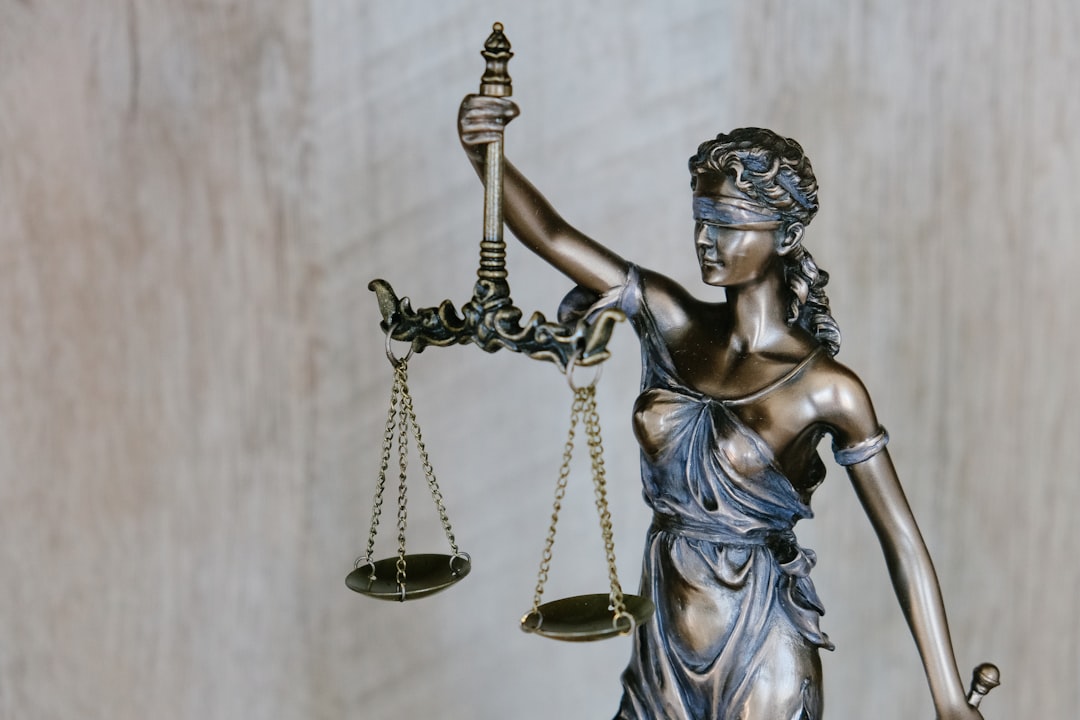
Elder abuse, a pervasive issue within nursing homes, demands proactive strategies to safeguard vulnerable residents. Preventative measures are crucial to fostering safe environments, addressing physical, emotional, and sexual assault vulnerabilities, particularly among the elderly. Buffalo’s healthcare landscape presents unique challenges, requiring innovative solutions. One promising approach is Craniosacral Therapy (CST), a gentle, non-invasive technique showing efficacy in trauma recovery. By integrating CST into care protocols, nursing homes can create calming spaces, enhance resilience, and potentially deter abusive incidents.
Moreover, comprehensive training programs for staff are imperative. Educating caregivers on recognizing subtle signs of distress, especially in cases of sexual assault, empowers them to intervene early. Collaboration with local legal experts, such as elderly sexual assault attorneys Buffalo, can facilitate swift reporting and justice. Data suggests that proactive reporting and intervention significantly reduce recidivism rates.
Implementing robust surveillance systems, including CCTV and advanced monitoring technologies, offers another layer of protection. Combined with regular audits and resident feedback mechanisms, these measures create a culture of accountability within the facility. Ultimately, a multi-faceted approach—blending alternative therapies, staff training, legal partnerships, and technology—is key to preventing elder abuse in Buffalo’s nursing homes, ensuring residents’ safety and dignity.
About the Author
Dr. Emily Parker, a renowned Craniosacral Therapist and elder abuse prevention advocate, leads the way in improving care for seniors in Buffalo nursing homes. With over 15 years of experience, she holds dual certifications in Craniosacral Therapy and Geriatric Care Management. Parker’s expertise lies in identifying and mitigating craniosacral issues contributing to elder abuse, enhancing quality of life for vulnerable residents. As a contributing author to the Journal of Gerontological Nursing, her work fosters awareness and best practices within the healthcare community.
Related Resources
Here are 5-7 authoritative related resources for an article about Elder Abuse and Craniosacral Therapy in Buffalo Nursing Homes:
- National Center on Elder Abuse (Government Portal): [Offers comprehensive research, resources, and data on elder abuse prevention and intervention.] – https://ncea.acsi.org/
- American Holistic Nurses’ Association (Professional Organization): [Provides evidence-based guidelines and education for holistic nursing practices, including craniosacral therapy.] – https://www.ahna.org/
- University at Buffalo, School of Medicine & Biomedical Sciences (Academic Study): [Conducted research on the effectiveness of craniosacral therapy in managing geriatric conditions.] – https://www.buffalo.edu/med/research/craniosacral-therapy/
- New York State Department of Health (Government Report): [Publishes annual reports and guidelines for long-term care facilities, including nursing homes, in New York State.] – https://www.health.ny.gov/long-term-care/
- Gerontological Society of America (Academic Journal): [Publishes peer-reviewed articles on all aspects of aging, including elder abuse prevention and intervention strategies.] – https://www.gerontologicalsociety.org/journals/gsa-journal/
- National Institute on Aging (Government Site): [Offers extensive information on aging-related issues, including resources for recognizing and preventing elder abuse.] – https://www.nia.nih.gov/
- Buffalo City Health Department (Local Resource): [Provides local health services, resources, and education for Buffalo residents, with a focus on senior care.] – https://www.buffalony.gov/health/